Stop Wasting Money at the Art Store: A No-Nonsense Supply Guide for Paradise Painters
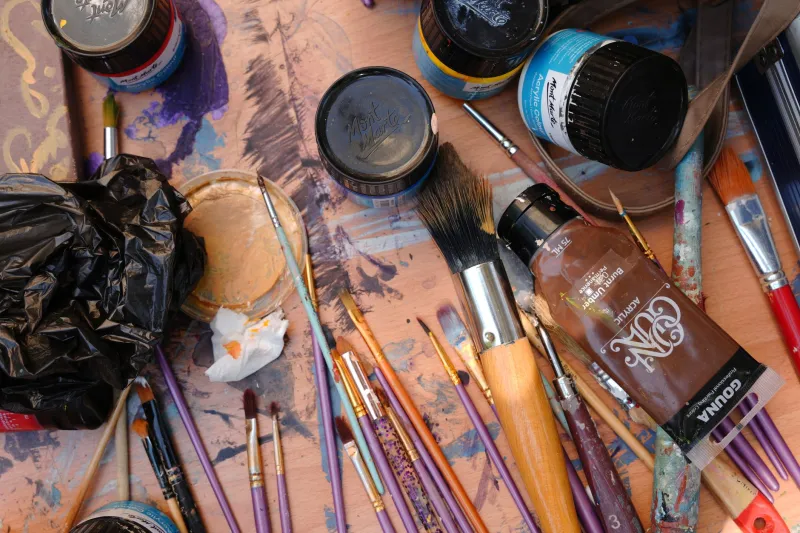
Walking into a Blick Art Materials or Michaels for the first time is an experience. The shelves stretch forever, the options multiply at every turn, and somewhere between the 47 different brush sets and the wall of canvas packs, you start wondering if you need all of it just to paint a decent beach scene.
Short answer: you absolutely do not.
Paradise-themed painting — think tropical coastlines, golden-hour palms, luminous water, vivid flora — actually rewards a focused, deliberate supply kit over a bloated one. The artists who consistently produce stunning work aren't the ones with the biggest carts. They're the ones who understand their tools deeply. So let's break down what genuinely earns a spot in your studio and what's mostly packaging and marketing.
The Paint Itself: Where Quality Actually Pays Off
Here's the one area where spending a little more makes a real, visible difference: your paint.
Student-grade paints — brands like Liquitex Basics or Winsor & Newton Galeria — are perfectly fine for practice sessions and color studies. But they contain more filler and less pigment than artist-grade lines, which means your tropical turquoise will look muddier and your sunset oranges won't pop the way you're picturing them.
For paradise work specifically, pigment saturation matters enormously. You're chasing the kind of color that makes someone stop scrolling. A few tubes of artist-grade paint — Winsor & Newton Professional, Golden Heavy Body, or even the mid-range Liquitex Professional series — go a long way when you use them strategically.
The smart move: Buy student-grade in your neutrals and earth tones. Invest in artist-grade for your key paradise colors — cerulean blue, viridian green, cadmium yellow, and titanium white. You'll use those constantly, and the quality shows.
Brushes: The Biggest Scam in the Supply Aisle
Brush marketing is relentless. You'll see sets promising "professional results" for $12.99 and individual brushes running $40 a pop. The truth lives somewhere in the middle, and it's closer to the affordable end than manufacturers want you to believe.
For paradise painting, you genuinely only need a handful of brush shapes:
- A large flat or filbert (1 inch or wider) for blocking in sky and water
- A medium round for general work and foliage
- A small detail brush for ripples, highlights, and fine plant work
- A fan brush — optional, but genuinely useful for palm fronds and grass textures
A decent set from Princeton Velvetouch or Royal & Langnickel will serve you well without emptying your wallet. What you're avoiding is cheap synthetic bristles that splay immediately and lose their shape after two uses. Those are the real waste of money.
Skip: the 30-piece brush sets at craft stores. You'll use four of them and spend the rest of your time cleaning thirty.
Canvas vs. Canvas Boards vs. Paper: Pick Your Surface Wisely
Stretched canvas looks beautiful and feels official, but canvas boards are significantly cheaper and perfectly adequate for learning and experimenting. For paradise work, the texture of your surface affects how paint moves — smoother surfaces let you blend water and sky more easily, while a more pronounced tooth adds natural texture to foliage and sand.
If you're working in acrylics and want to experiment freely without financial pressure, try Strathmore 400 Series acrylic paper pads. They're a fraction of the cost of canvas, and you can work through color studies, composition sketches, and full practice pieces without the anxiety of "ruining" an expensive surface.
For pieces you intend to frame or sell, step up to stretched canvas or a quality canvas panel. Fredrix and Masterpiece both offer solid options at reasonable price points.
The Palette Situation
You do not need a $35 stay-wet palette to start. A glass palette, a ceramic tile from the hardware store, or even a simple plastic palette with a lid will work. The stay-wet palette does become genuinely useful once you're working with acrylics regularly (it keeps paint workable for longer sessions), but it's a quality-of-life upgrade, not a necessity.
What is worth having from day one: a palette with enough mixing space. Cramped palettes force you to mix colors on top of each other, which leads to muddy results — the enemy of the clean, vivid tones that make paradise paintings sing.
Mediums: Proceed With Caution
This is where the art supply industry really earns its reputation for upselling. Glazing mediums, flow improvers, texture gels, pouring mediums, retarders — the shelf of additives can feel like it's all essential.
For most paradise painters starting out, you need exactly one medium: a basic acrylic medium or glazing liquid if you want to create transparent washes for water effects. That's it. Everything else can wait until you've identified a specific technique you want to explore.
Golden's Glazing Liquid is a legitimate tool for layering transparent color over water and sky — it creates that glassy, luminous depth that's hard to achieve otherwise. But the rest of the medium shelf? Browse it once you know what problem you're actually trying to solve.
Lighting and Setup: The Underrated Investment
Most beginners spend heavily on paint and brushes and then work under a single overhead bulb that casts yellow light across everything. Then they wonder why their colors look different in photos or when they move the piece to another room.
A decent daylight LED lamp — the OttLite brand is popular among artists and widely available — runs $30 to $60 and genuinely changes how accurately you mix and evaluate color. For paradise work, where color accuracy is everything, this is one of the most practical purchases you can make.
The Bottom Line
A solid starter kit for paradise painting doesn't have to cost more than $100 to $150 if you're thoughtful about it. Prioritize paint quality in your key colors, choose a small focused brush set, work on affordable surfaces while you're learning, and skip the medium aisle until you have a specific reason to visit it.
The goal isn't to own the most impressive studio setup — it's to spend enough time actually painting that the paradise you're chasing starts showing up on the canvas. The tools support that process. They don't replace it.
Start lean, learn what you reach for most, and build from there. Your wallet and your studio space will both thank you.